Korean Bibimbap
Highlighted under: Heritage Meals
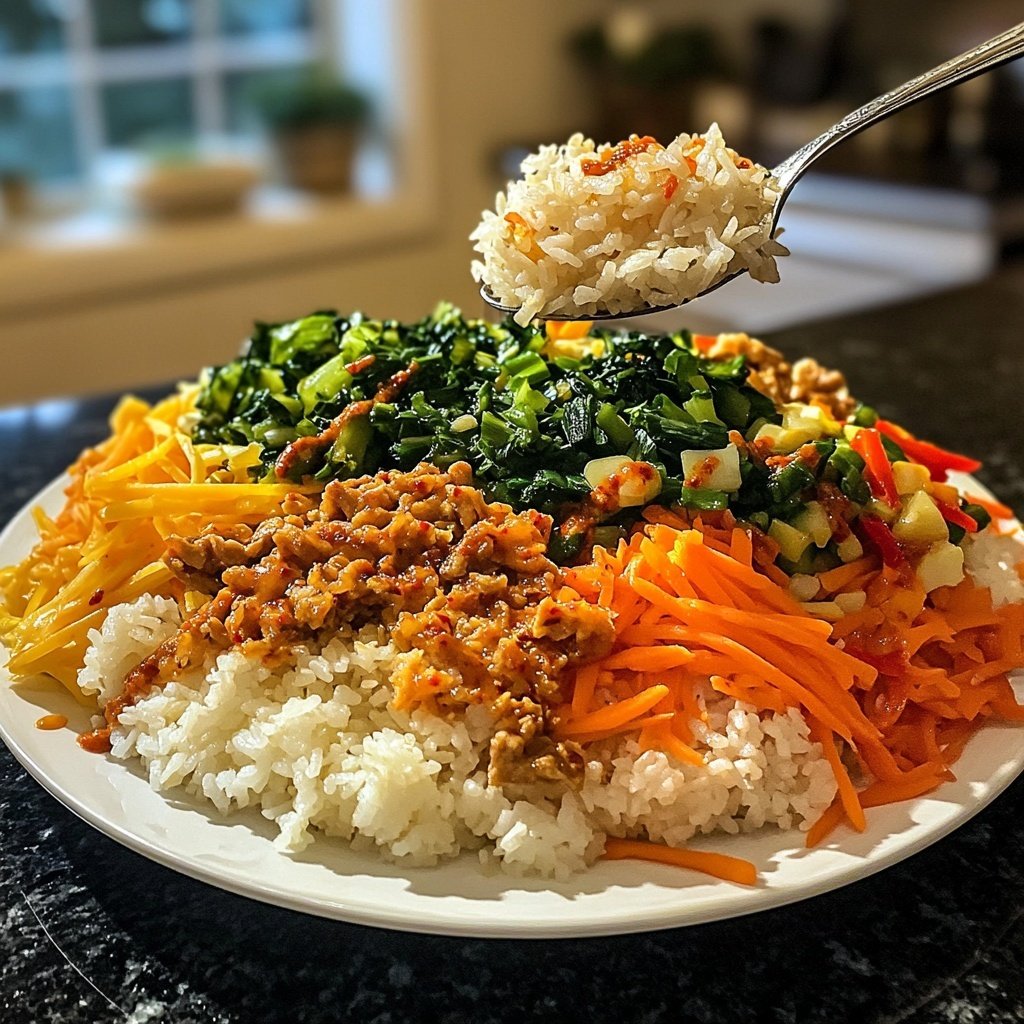
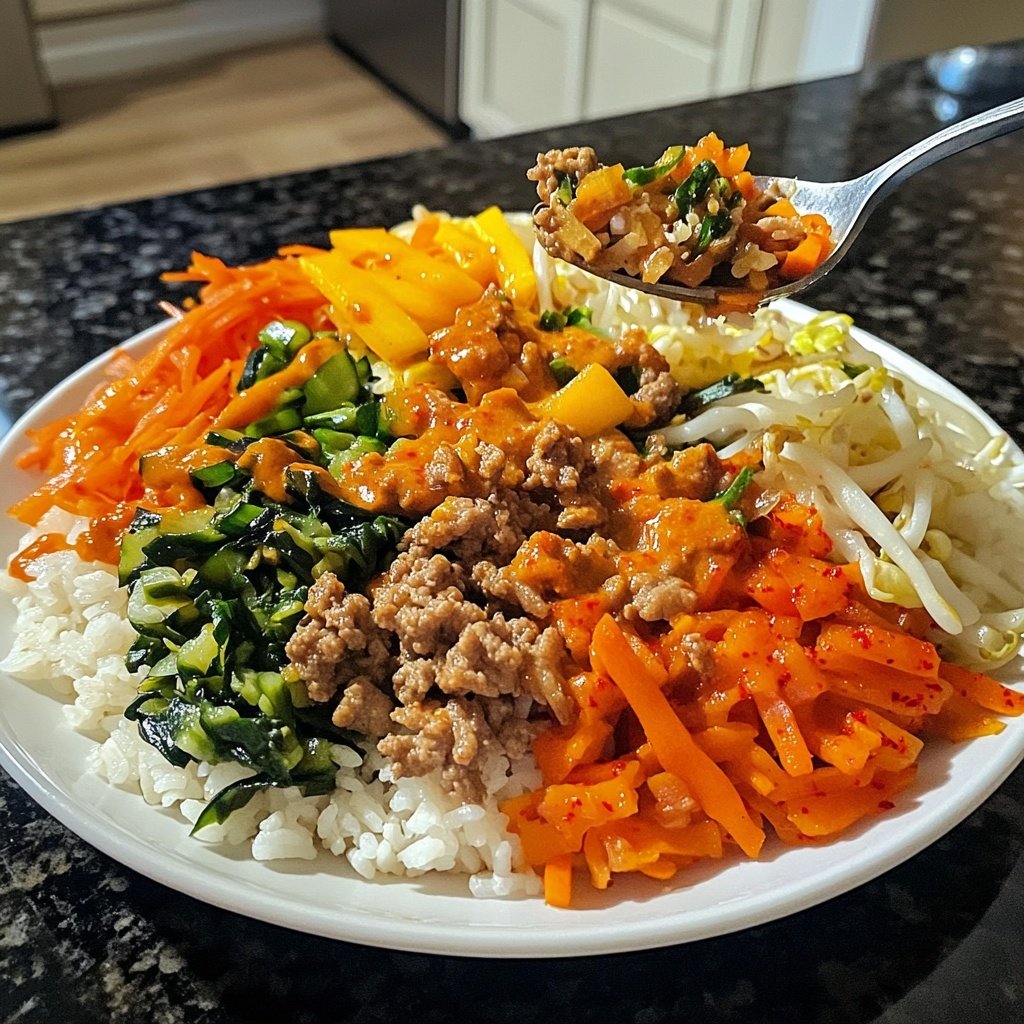
Korean Bibimbap is a vibrant and nutritious mixed rice dish that brings together a variety of fresh vegetables, protein, and a flavorful gochujang sauce.
Korean Bibimbap is not just a dish but a culinary experience. It combines rice, sautéed vegetables, and protein, all topped with a fried egg and a dollop of spicy gochujang. This dish represents harmony and balance in Korean cuisine, making it a favorite among many.
Why You Will Love This Recipe
- A colorful and nutritious meal that can be customized to your taste
- Deliciously spicy and savory flavors that excite the palate
- Perfect for meal prep or entertaining guests
The Heart of Bibimbap
Bibimbap, literally meaning 'mixed rice,' is a staple of Korean cuisine that beautifully showcases the country's love for fresh, seasonal ingredients. At its core, bibimbap is a harmonious blend of rice and various toppings, each adding its unique flavor and texture. The dish is often topped with a fried egg and drizzled with gochujang, a Korean chili paste that adds a delightful kick. This dish not only satisfies the taste buds but also provides a visual feast with its vibrant colors.
The beauty of bibimbap lies in its versatility. You can customize it according to your preferences, whether by adding different vegetables, proteins, or sauces. For a vegetarian version, consider using tofu or additional vegetables like bell peppers and radishes. If you're craving something heartier, beef or chicken can elevate the dish. The possibilities are endless, making bibimbap a fantastic choice for any meal.
Nutritional Benefits
Korean bibimbap is not just a treat for the eyes; it's also a nutritional powerhouse. Each ingredient contributes essential nutrients, making it a balanced meal. The combination of rice, vegetables, and protein ensures a good mix of carbohydrates, fiber, vitamins, and minerals. Spinach is rich in iron and vitamins A and C, while carrots and zucchini provide antioxidants and essential nutrients for overall health.
Moreover, the inclusion of gochujang adds a touch of spice that is not only flavorful but also contains health benefits. This fermented chili paste can boost metabolism and provide a dose of probiotics. By enjoying bibimbap, you're nourishing your body while indulging in a delicious culinary experience.
Perfect for Any Occasion
Whether you're preparing a weeknight dinner or hosting a gathering, bibimbap is a perfect dish. Its quick preparation and ability to serve a crowd make it ideal for meal prep. You can prepare the ingredients in advance and assemble them quickly when ready to eat. This aspect not only saves time but also allows for flexibility in portion sizes and ingredient choices.
Additionally, bibimbap is a great dish to share with friends and family. The interactive nature of mixing the ingredients at the table encourages communal dining, making it a fun and engaging meal. Your guests will love customizing their bibimbap bowls to their taste, making it an unforgettable experience.
Ingredients
For the Bibimbap
- 2 cups cooked rice (preferably short-grain)
- 1 cup spinach, blanched
- 1 small carrot, julienned
- 1 zucchini, julienned
- 1 cup bean sprouts, blanched
- 1/2 cup shiitake mushrooms, sliced
- 2 eggs
- 2 tablespoons sesame oil
- Salt, to taste
- Gochujang (Korean chili paste), for serving
Instructions
Prepare the Vegetables
Heat 1 tablespoon of sesame oil in a pan over medium heat. Sauté the shiitake mushrooms until soft, then season with salt. Remove and set aside. In the same pan, sauté the carrots and zucchini separately until tender. Blanch the spinach and bean sprouts briefly in boiling water.
Cook the Eggs
In a separate pan, heat the remaining sesame oil and fry the eggs sunny-side up until the whites are set.
Assemble the Bibimbap
In a large bowl, layer the cooked rice, followed by the sautéed vegetables, blanched spinach, and bean sprouts. Top with the fried egg and a generous spoonful of gochujang.
Mix everything together before eating to enjoy the full flavor of the dish!
Pro Tips
- Feel free to add your choice of protein such as beef, chicken, or tofu to make it even heartier.
Tips for the Best Bibimbap
To achieve the best flavor and texture in your bibimbap, use short-grain rice, which is stickier and holds the toppings better than long-grain varieties. Cooking the rice properly is crucial; ensure it's fluffy yet slightly sticky for the perfect bite. Additionally, don't rush the sautéing process—allow each vegetable to cook until tender to bring out their natural flavors.
When it comes to gochujang, feel free to adjust the amount to suit your spice tolerance. If you're new to spicy foods, start with a small amount and gradually add more. You can also mix the gochujang with a bit of sesame oil and sugar to balance the heat with sweetness, creating a delightful sauce for your bibimbap.
Serving Suggestions
Bibimbap can be enjoyed as a standalone meal, but it pairs wonderfully with various side dishes, known as banchan in Korean cuisine. Consider serving it alongside kimchi, pickled vegetables, or a light soup for a more comprehensive dining experience. These side dishes will not only complement the flavors of the bibimbap but also enhance the meal's nutritional value.
For a refreshing beverage, serve your bibimbap with a traditional Korean drink like sujeonggwa, a cinnamon punch, or iced barley tea. These drinks will cleanse the palate and balance the rich flavors of the dish, making your meal even more enjoyable.
Questions About Recipes
→ Can I make bibimbap vegan?
Yes! Simply omit the egg and use tofu or additional vegetables as your protein.
→ What type of rice is best for bibimbap?
Short-grain rice is recommended as it has the right texture for this dish.
→ Can I prepare the ingredients in advance?
Absolutely! You can prepare the vegetables and rice ahead of time and assemble the bibimbap just before serving.
→ What if I don't like spicy food?
You can adjust the amount of gochujang or serve it on the side for less heat.
Korean Bibimbap
Created by: Rowena Hartwell
Recipe Type: Heritage Meals
Skill Level: Intermediate
Final Quantity: 2 servings
What You'll Need
For the Bibimbap
- 2 cups cooked rice (preferably short-grain)
- 1 cup spinach, blanched
- 1 small carrot, julienned
- 1 zucchini, julienned
- 1 cup bean sprouts, blanched
- 1/2 cup shiitake mushrooms, sliced
- 2 eggs
- 2 tablespoons sesame oil
- Salt, to taste
- Gochujang (Korean chili paste), for serving
How-To Steps
Heat 1 tablespoon of sesame oil in a pan over medium heat. Sauté the shiitake mushrooms until soft, then season with salt. Remove and set aside. In the same pan, sauté the carrots and zucchini separately until tender. Blanch the spinach and bean sprouts briefly in boiling water.
In a separate pan, heat the remaining sesame oil and fry the eggs sunny-side up until the whites are set.
In a large bowl, layer the cooked rice, followed by the sautéed vegetables, blanched spinach, and bean sprouts. Top with the fried egg and a generous spoonful of gochujang.
Extra Tips
- Feel free to add your choice of protein such as beef, chicken, or tofu to make it even heartier.
Nutritional Breakdown (Per Serving)
- Calories: 500 kcal
- Total Fat: 20g
- Saturated Fat: 4g
- Cholesterol: 185mg
- Sodium: 600mg
- Total Carbohydrates: 65g
- Dietary Fiber: 5g
- Sugars: 4g
- Protein: 15g